
In the quest to maintain the authentic taste of ham and guarantee its extended freshness, the ham brine injector stands out as a premier tool. This device plays a pivotal role in effectively curing ham. But, the question arises: how do we ensure the ham doesn’t end up too salty? Join us as we explore the complex realm of ham brining and its subtleties.
Understanding the Basics of a Ham Brine Injector
Before we delve into the process of making the perfect ham brine, it’s crucial to understand what a ham brine injector is and its role.
A ham brine injector is a device used to infuse brine (a salt-water solution, often mixed with other seasonings) into ham, ensuring that it penetrates deep into the meat. This process not only enhances the flavor but also preserves the ham, making it last longer.
Check out three of the most popular Ham Brine injectors on Amazon.com, from the simplest and cheapest, to the professional-grade injector:
 Meat Injector Syringe
- Portable Injector kit
- 1oz Large Capacity
 Ofargo 304-Stainless Steel Meat Injector Syringe Kit
- 4 Marinade Needles
- 2-oz Large Capacity
 SpitJack Magnum Meat Injector Gun
- 4 needles
- 50ml Capacity
Why Brine Your Ham?
Brining ham comes with several benefits:
- Tenderness: Brining helps break down some of the meat fibers, resulting in a juicier, tenderer ham.
- Flavor Enhancement: The deep penetration of the brine ensures a uniform flavor throughout the ham.
- Preservation: It aids in prolonging the shelf life of the ham.
 Balancing Saltiness in Ham Brine
 Balancing Saltiness in Ham Brine
One common challenge when using a ham brine injector is ending up with overly salty ham. To strike a balance, follow these tips:
- Use the right salt: Opt for kosher or sea salt instead of table salt. They have larger grains, which can help control the amount used. In general, special salts are used for meat, you can read a review here Curing Salt: The Secret to Perfectly Cured Meat
Pickling & Canning Sea Salt – Fine Grain Salt for Home Curing
Non-Iodized, Gluten Free, No Additives, No Bleaching – Kosher Canning Kit Essential for Homemade Brine – (5lb Pouch)

- Control the brining time: The longer the ham sits in the brine, the saltier it will become. For most hams, 12-24 hours is optimal.
- Include sweeteners: Ingredients like brown sugar, maple syrup, or honey can counteract the saltiness and offer a delightful taste.
Flavor Infused Tenderizing Brine, Original Hickory
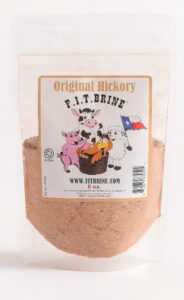
- Water it down: If you find your brine too salty, don’t hesitate to add more water.
Step-by-Step Guide: Making the Perfect Ham Brine
1. Gather Ingredients
For a basic ham brine, you’ll need:
- 1 gallon of water
- 1 cup kosher or sea salt
- 1 cup brown sugar (or other sweeteners)
- Optional: herbs and spices such as bay leaves, garlic, peppercorns, etc.
Or you can use a ready-made brine mix to make ham brine:
Sweet Brine O’ Mine 5 Pound Bulk Bag with Complimentary 16 Ounce Shaker
2. Dissolving the Salt
In a large pot, bring about a quart of water to boil. Add the salt and sugar. Stir until completely dissolved. Remove from heat.
3. Cool and Complete the Brine
Add the remaining water to the pot to cool down the hot solution. Add any optional herbs or spices at this point.
4. Injecting the Ham
Using the ham brine injector, draw up the brine solution. Insert it deep into various points of the ham, ensuring an even distribution.
5. Additional Brining (Optional)
Place the injected ham into a large container or resealable bag. Pour the remaining brine over the ham. Seal and refrigerate for 12-24 hours.
6. Remove, Rinse, and Cook
After brining, remove the ham from the solution, rinse it thoroughly to remove any surface salt, and proceed with your preferred cooking method.
In Conclusion
The art of making ham brine and using a ham brine injector is a delicate balance of science and taste. By following the steps and tips provided, you can ensure a flavorful, juicy ham without overwhelming saltiness.
Remember, it’s essential to taste and adjust. With time and practice, you’ll be able to perfect your ham brine, making each meal an unforgettable experience. Whether for a holiday feast or a weekend dinner, mastering the art of the ham brine will surely make you the star of every culinary gathering.
 DIY Ham Brine Injector
 DIY Ham Brine Injector
Creating a DIY ham brine injector can be an exciting project for those who love hands-on cooking tasks. While it might not rival commercial-grade injectors in durability or efficiency, it’s definitely feasible and can be quite efficient for home use. Here’s a simple guide on how to make one:
Materials:
- A large, sturdy syringe (60ml or larger) – often available at pharmacies or pet supply stores for administering medication.
- A long, stainless steel needle – can be sourced online or from specialty cooking stores. Ensure it’s hollow and has a sharp end. Some animal vaccination needles might work for this purpose.
- Teflon or plumber’s tape (optional) – to ensure a tight seal.
Instructions:
- Prepare the Syringe: First, ensure that the syringe is clean. If it’s a new syringe, rinsing it with hot water should suffice. If it’s a used syringe, you might want to sterilize it by boiling it for 10 minutes.
- Attach the Needle: Take your stainless steel needle and attach it to the front of the syringe. Ensure it fits snugly. If you notice any gaps or if the needle wobbles, you can wrap the base of the needle with a bit of Teflon or plumber’s tape before screwing it onto the syringe. This helps create a tighter seal.
- Test the Injector: Before using it with brine, test your DIY injector with water. Draw up some water into the syringe and then push the plunger. The water should flow smoothly out of the needle without any leaks at the base.
- Use the Injector: Now that your DIY ham brine injector is ready, you can draw up your brine solution into the syringe. Then, carefully insert the needle deep into the ham and slowly depress the plunger to release the brine. Move the needle to various points in the ham for an even distribution of brine.
- Clean After Use: Always clean your injector thoroughly after each use. Disassemble the needle from the syringe and rinse both parts with hot, soapy water. Ensure no brine remains inside to prevent bacterial growth. Let them air dry completely before storing.
Precautions:
- Always be careful when handling the sharp needle to avoid injury.
- If the needle gets clogged, never use your mouth to blow it clear. Instead, use warm water or a thin wire.
- Always sterilize the syringe and needle if they’ve been used for other purposes before turning them into a brine injector.
