
When it comes to exploring the culinary world, there’s one delicacy that stands out for its unique flavors, rich history, and sheer versatility: salami. Whether you’re a devoted foodie or simply a curious gastronome, diving into the world of salami promises a flavorful journey. So, what exactly is salami, and why has it earned a special place in the hearts and palates of people worldwide? Buckle up as we embark on an aromatic adventure to uncover the secrets behind this beloved cured meat.
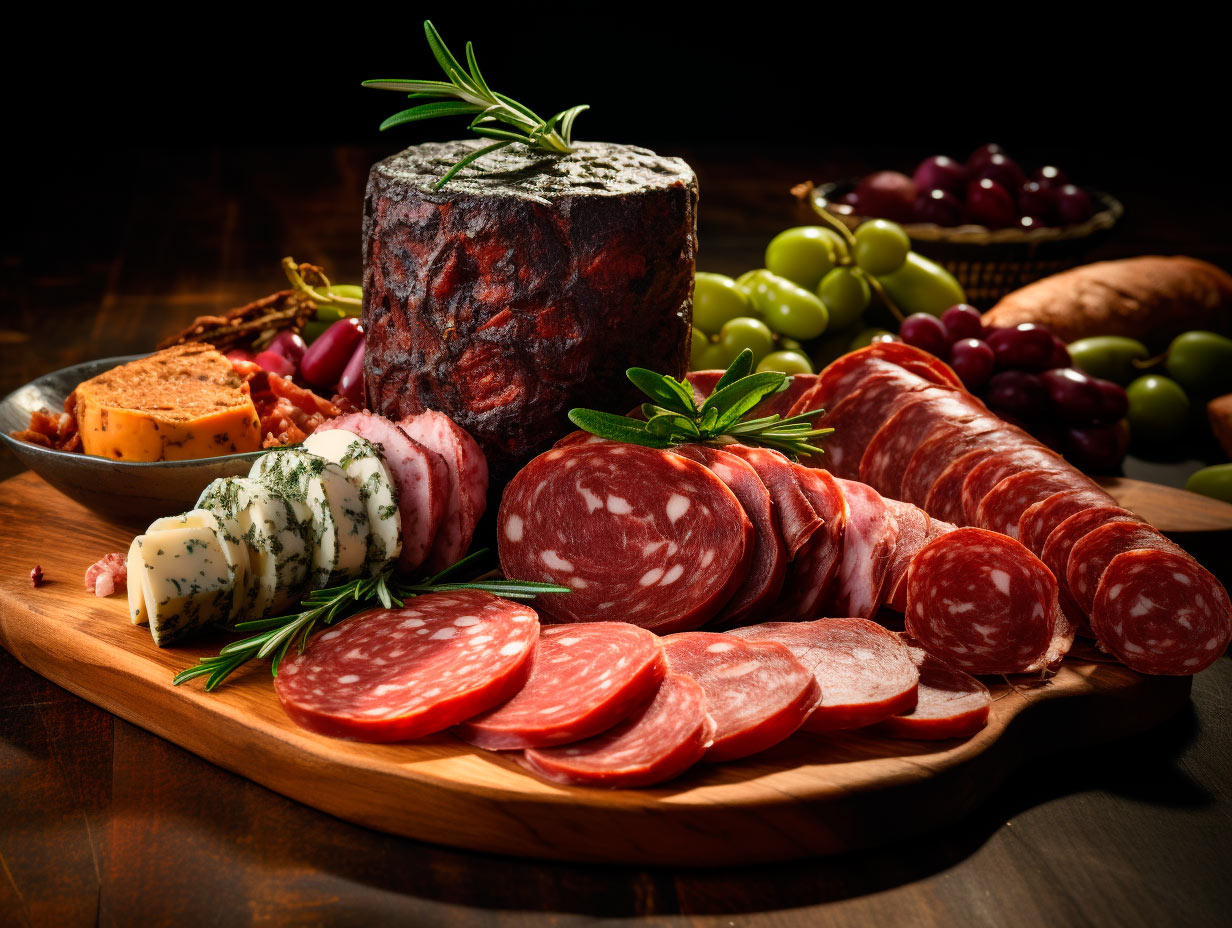
The Basics: What is Salami?
Salami, pronounced as sah-la-mee, is a type of highly seasoned and fermented sausage that originates from Italy. It’s a meaty masterpiece crafted from a mixture of ground meat (usually beef or pork), fat, seasonings, and spices. This mixture is then carefully encased in a natural or synthetic casing, which gives salami its signature cylindrical shape. But the magic doesn’t stop there! Salami is left to ferment and air-dry, allowing its flavors to intensify and mature over time.
The art of salami-making involves a careful balance of ingredients and a precise curing process. This blend of science and culinary expertise results in a symphony of flavors and textures that can vary greatly depending on the type of salami being produced.
The Anatomy of Salami
Before we delve deeper into the world of salami, let’s break down its key components:
1. Meat:
The heart of salami is, of course, the meat. Traditionally, salami is made from either pork or beef, but you can find variations using game meats like venison or even poultry. The meat is ground to a specific consistency, which can vary depending on the desired texture of the final product.
2. Fat:
To achieve the right balance of flavors and textures, salami includes a portion of fat. Pork fat is commonly used, as it’s rich and adds a creamy mouthfeel to the sausage. The fat is often finely minced and mixed with the meat.
3. Seasonings and Spices:
The soul of salami is in its seasonings and spices. A blend of garlic, pepper, salt, and sometimes red wine or other herbs is added to the meat mixture. These ingredients not only impart flavor but also aid in the curing process.
4. Casing:
The sausage mixture is encased in a casing, which can be natural or synthetic. Natural casings, typically made from animal intestines, are favored for their authenticity and unique textures. Synthetic casings are often used in mass production due to their uniformity and convenience.
5. Curing:
The curing process is where the real magic happens. Salami is left to ferment and air-dry for weeks, months, or even years. During this time, beneficial bacteria work their magic, breaking down sugars and proteins, which transforms the sausage’s flavor and texture.
Now that we’ve dissected the anatomy of salami, let’s explore the intriguing varieties of this culinary gem.
What is Salami Types?
Salami comes in a dizzying array of styles and flavors, each with its own unique character. Here are some of the most beloved and intriguing types of salami:
1. Genoa Salami:
Originating from Genoa, Italy, this salami is known for its robust garlic and peppercorn flavor. It’s typically made from a mix of pork and beef and boasts a slightly sweet and spicy profile.
2. Pepperoni:
A beloved topping for pizza, pepperoni salami is renowned for its smoky and spicy kick. It’s often made from beef and pork and is characterized by its bright red color and bold flavor.
3. Chorizo:
Hailing from Spain and Portugal, chorizo salami is famous for its deep red color and smoky, paprika-infused taste. It can be either mild or spicy, depending on the type of paprika used.
4. Soppressata:
This Italian classic is known for its coarsely ground meat and rustic flavor. It’s seasoned with garlic and hot red pepper flakes, giving it a pleasant, spicy kick.
5. Cacciatorini:
Cacciatorini, or “hunter’s sausage,” is small in size and perfect for snacking. It’s air-dried and typically made with a blend of pork and beef, resulting in a savory, slightly tangy taste.
6. Salame di Felino:
Originating from the Felino region of Italy, this salami is renowned for its rich, gamey flavor. It’s aged for an extended period, allowing its complex taste to develop fully.
7. Finocchiona:
Hailing from Tuscany, Italy, finocchiona is a salami infused with fennel seeds, which impart a delightful, anise-like aroma and flavor. It’s known for its aromatic and slightly sweet taste.
8. Nduja:
Hailing from the Calabria region of Italy, nduja is a soft and spreadable salami known for its fiery heat. It’s made with a blend of pork, Calabrian chili peppers, and spices, creating a spicy, smoky, and intensely flavorful spread.
These are just a few examples of the diverse world of salami. Each type reflects the unique traditions, flavors, and culinary heritage of the region from which it originates. Whether you prefer the spicy kick of pepperoni or the subtle sweetness of Genoa salami, there’s a salami variety to suit every palate.
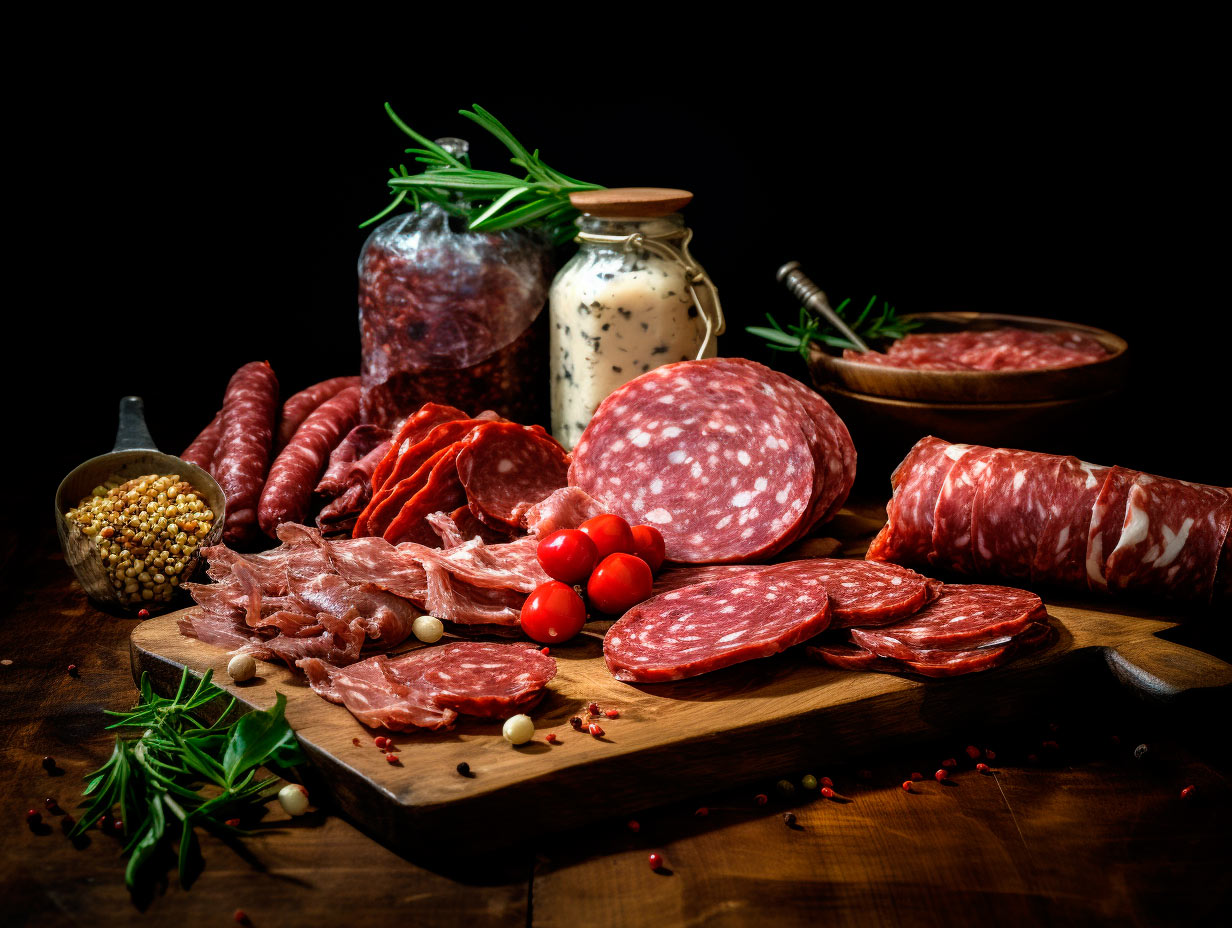
The Curing Process: A Patient Art
One of the most fascinating aspects of salami production is the curing process. This step can take anywhere from weeks to years, depending on the type of salami and the desired flavor profile. Let’s take a closer look at this patient art of aging salami:
1. Fermentation:
The first stage of curing involves fermentation. Beneficial bacteria, such as lactobacillus and pediococcus, are introduced to the sausage mixture. These microbes consume sugars and produce lactic acid, which helps preserve the meat and gives salami its tangy flavor.
2. Drying:
After fermentation, the sausages are left to air-dry. This step is crucial for moisture removal and flavor concentration. The length of drying time varies but can range from several weeks to several years, with some artisanal salamis undergoing extensive aging.
3. Maturation:
During the drying process, enzymes break down proteins and fats in the meat, transforming its texture and flavor. This maturation period is where salami truly comes into its own, developing complex and nuanced tastes.
4. Mold Development:
In some cases, molds may be intentionally encouraged to grow on the salami’s exterior. These molds, such as the noble Penicillium, not only protect the salami but also contribute to its flavor and aroma.
5. Safety Checks:
Throughout the curing process, careful monitoring is essential to ensure safety. Temperature and humidity levels are closely controlled to prevent the growth of harmful bacteria.
The result of this meticulous curing process is a salami with an intensified flavor profile, a firm texture, and a complexity that tantalizes the taste buds. It’s a testament to the craftsmanship and dedication of salami makers.
Whay is Salami in Everyday Life
Salami isn’t confined to charcuterie boards or pizza toppings; it has a place in everyday cuisine around the world. Here are some delicious and creative ways to incorporate salami into your meals:
1. Salami Sandwiches:
Create mouthwatering sandwiches by layering thinly sliced salami with your favorite cheese, fresh veggies, and condiments. The spicy kick of salami pairs perfectly with the creaminess of cheese and the crunch of vegetables.
2. Salami Pizza:
Enjoy the classic combination of pepperoni or experiment with other salami varieties as pizza toppings. The heat and flavor of salami add a delightful twist to your favorite pie.
3. Charcuterie Boards:
Elevate your charcuterie game by including an assortment of salami types on your board. Pair them with cheeses, olives, nuts, and crackers for a crowd-pleasing appetizer.
4. Salami and Eggs:
Kickstart your day with a hearty breakfast by adding diced salami to your scrambled eggs or omelets. It infuses your morning meal with a burst of savory goodness.
5. Salami Wraps:
For a low-carb snack, wrap salami slices around cream cheese, pickles, or roasted red peppers. These bite-sized treats are perfect for parties or picnics.
6. Pasta Salad:
Enhance your pasta salads with chunks of salami. Its bold flavor complements the pasta, vegetables, and dressing, creating a satisfying dish.
7. Salami and Cheese Stuffed Peppers:
Stuff bell peppers with a mixture of diced salami and cheese, then bake until they’re golden and bubbling. It’s a savory twist on a classic dish.
8. Salami Flatbreads:
Spread olive tapenade or hummus on a flatbread, then top it with sliced salami and arugula. It’s a quick and tasty snack or light meal.
9. Salami Sushi Rolls:
For a fusion delight, roll salami into sushi with avocado, cucumber, and sushi rice. Dip in soy sauce and wasabi for a savory, umami experience.
These are just a few ideas to spark your culinary creativity with salami. Its versatility makes it an ideal ingredient for adding depth and flavor to a wide range of dishes.
What is Salami Around the World
While Italy is undoubtedly the birthplace of salami, this delectable sausage has transcended borders and won the hearts of food lovers worldwide. Here’s a glimpse of what is salami in various cuisines:
1. Spanish Chorizo:
Chorizo, Spain’s answer to salami, is a staple in Spanish cuisine. It’s often used in dishes like paella, chorizo and bean stew, and as a tapas ingredient.
2. French Saucisson:
In France, saucisson sec is a cherished dry-cured sausage, often enjoyed with wine and cheese. It comes in various flavors, including black pepper, herbs, and garlic.
3. German Salami:
Germany boasts a wide range of salamis, with different regions contributing their own unique variations. German salamis are often enjoyed with mustard and hearty bread.
4. American Pepperoni:
Pepperoni has become an iconic pizza topping in the United States, and it’s also a popular choice for sandwiches and snack platters.
5. Chinese Lap Cheong:
Lap cheong is a sweet and savory Chinese sausage often used in stir-fry dishes, fried rice, and clay pot recipes.
6. Eastern European Kolbász:
Eastern Europe has a rich tradition of making sausages like kolbász, which are used in dishes like goulash and served with sauerkraut.
Conclusion: The Salami Saga
In the world of gastronomy, few foods possess the universal appeal and rich history of salami. From its humble beginnings in Italy to its global presence, salami has captured the hearts and taste buds of people everywhere.
The process of making salami is a testament to the artistry and dedication of artisans who balance tradition with innovation. Whether enjoyed as a standalone delicacy, a pizza topping, or a sandwich filling, salami has an uncanny ability to elevate any dish it graces.
So, the next time you savor a slice of salami, take a moment to appreciate the centuries-old craftsmanship and the harmonious blend of flavors that make it one of the world’s most beloved culinary treasures. Whether you’re a seasoned salami enthusiast or a newcomer to its charms, there’s always something new to discover in the savory world of salami. So, what is salami for you?
