
Bacon: the sizzle in the pan, the aroma that fills the kitchen, and the crispy delight that graces our plates. This beloved breakfast staple and versatile ingredient have captured the hearts and appetites of people around the world. But have you ever stopped to wonder where bacon comes from? In this article, we’ll embark on a flavorful journey to uncover the origins of bacon, exploring its history, production process, and the fascinating transformation of humble pork into this mouthwatering delight. So, let’s learn, where does bacon come from?
The Basics: What Is Bacon?
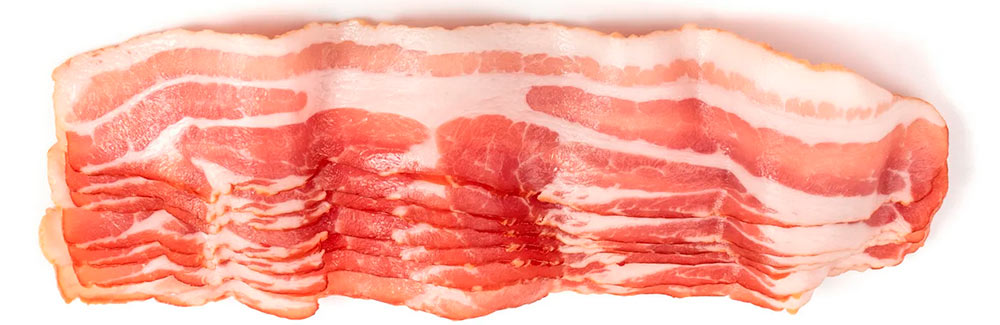
Before diving into the origins of bacon, let’s define what bacon actually is. Bacon is a type of salt-cured pork that can be made from various cuts of the pig, most commonly from the belly. It’s typically sliced thin, then either pan-fried, baked, or grilled until it achieves that irresistible crispy texture. Bacon can be enjoyed on its own, used as a topping for burgers or salads, incorporated into sandwiches, or even wrapped around other foods like scallops or asparagus for a burst of flavor.
Now that we have a clear picture of what bacon is, let’s embark on our journey to discover its roots.
Bacon Through the Ages
A Slice of History
Bacon’s history is as rich and savory as its taste. The concept of curing pork dates back thousands of years, with evidence of salt-cured pork being consumed in ancient China, Rome, and various other cultures. In fact, the word “bacon” itself has ancient origins, derived from the Old High German word “bacho,” which means “buttock.” This linguistic connection highlights that bacon has a long history of being made from different cuts of pork, including the belly.
During the Middle Ages in Europe, bacon became a staple food due to its excellent preservation qualities. In an era when refrigeration was unheard of, salt-curing was a reliable method for preserving meat, allowing it to be stored for extended periods. This made bacon a valuable source of sustenance for both peasants and nobles alike.
The American Bacon Revolution
Bacon made its way to North America with European settlers, and over time, it underwent a transformation. American bacon, as we know it today, typically comes from pork belly, but it differs from European bacon in its preparation. It’s often smoked, which imparts a distinctive smoky flavor, and it’s typically cut into thinner slices compared to its European counterparts.

Another Slice of History
Historians believe that bacon as we know it today became a staple of the Western diet around the 1600s, but a recent archaeological discovery in Hallstatt, Austria, suggests that cured pork has been around since before the founding of Rome.
Experts say the Austrians were probably the first people in Europe to start making bacon on a large scale. Researchers at the Vienna Museum of Natural History announced that they have identified DNA evidence of more than 6,000 pig bones from a prehistoric slaughterhouse near the Austrian city of Hallstatt, and the bones are more than 3,000 years old. While finding slaughtered pigs dating back to antiquity is nothing new, the findings suggest a near prehistoric origin for bacon.
Excavations at the site indicate that all the pigs were castrated, methodically slaughtered, and their meat cured in huge wooden barrels before being hung to dry in nearby caves. Scientists do not yet have any suggestions about how exactly the early Austrians might have consumed bacon, but they hope that this surprising discovery will encourage further study of the gastronomic habits of different peoples of the world.

And Another One
The origin of bacon can be traced back to ancient China, where pork bellies were salted to produce an early form of bacon. Pigs were domesticated in China as early as 4900 BCE, and by 1500 BCE they began to be bred in Europe as well.
It is believed that the Romans and Greeks learned how to make and preserve bacon through their conquests in the Middle East. The Romans perfected pig farming and spread pork production throughout their empire.
In Middle English, the term “bacon” referred to all pork in general. The word “bacon” comes from various Germanic and French dialects, including Old French “bacun”, Old German “bacho” (meaning buttock) and Old Teutonic “back”, meaning back. However, the cut commonly used to make bacon is made from the side, or belly, of the pig.
The first commercial bacon processing plant was opened in Wiltshire, England, in the 1770s by an entrepreneur who used a technique now known as the Wiltshire cure. It uses a special brine that gives the low-salt bacon a sweet, delicious flavor.
Over the years, the British have identified and bred certain types of pigs to produce the best bacon. Bacon slowly but surely appeared in other places around the globe, reaching the modern United States in the mid-1500s when Hernando de Soto of Spain brought thirteen domestic pigs on his journey to the North American continent.

An Interesting Fact About Where Does Bacon Come From
Here’s an interesting fact: The word “bacon” actually has a surprising etymological connection to the word “buccaneer.” While it may seem unrelated at first glance, the link between these two words lies in their historical origins.
The term “buccaneer” originally referred to French and English pirates and hunters who operated in the Caribbean during the 17th century. These buccaneers were known for their method of smoking meat, including pork, over open flames or “boucans” in the Caribbean. The word “boucan” itself is believed to have derived from the Arawakan language spoken by indigenous peoples in the region.
Over time, the practice of smoking meat, particularly pork, became associated with these buccaneers. As a result, the word “buccaneer” indirectly contributed to the English word “bacon.” The connection highlights how language can evolve and take unexpected turns, leading to intriguing linguistic connections between seemingly unrelated words.
The Journey from Pig to Bacon
Now that we’ve explored bacon’s historical journey, let’s delve into the fascinating process of turning a humble pig into those crispy strips of delight we love.
Pig Farming
It all begins on the farm, where pigs are raised for their meat. These animals are usually a specific breed, chosen for their meat quality. Common breeds for bacon production include Duroc, Berkshire, and Hampshire. These pigs are raised in clean and controlled environments to ensure their health and well-being.
Slaughter and Butchering
When the pigs reach the appropriate age and size, they are sent to a processing facility for slaughter. The butchering process is a precise and skillful craft, where the pig’s carcass is carefully divided into various cuts of meat. The belly, which is the primary source of bacon, is separated for further processing.
Curing
Once the pork belly is separated, it’s time for the magic of bacon-making to begin. The first step is curing, which involves applying a mixture of salt, sugar, and sometimes nitrites to the pork belly. This curing mixture not only adds flavor but also acts as a preservative, preventing the growth of harmful bacteria.
The pork belly is then left to cure for a specified period, typically about a week. During this time, the flavors meld together, and the meat undergoes a transformation. The curing process is crucial in developing bacon’s signature taste and texture.
Smoking
After curing, some bacon varieties undergo smoking, which imparts that distinctive smoky flavor. The choice of wood chips used for smoking can influence the final flavor profile. Common woods for smoking bacon include hickory, applewood, and mesquite. The smoking process can take several hours, during which the bacon absorbs the rich smoky aromas.
Slicing and Packaging
Once the curing and smoking processes are complete, the bacon is ready to be sliced. Thin slices are the norm for most bacon products, but thickness can vary depending on the producer’s preferences and market demand. The sliced bacon is then packaged and prepared for distribution to retailers and consumers.
Varieties of Bacon
Bacon isn’t limited to just one type; it comes in various forms and flavors. Here are some popular varieties you might encounter:
1. American Bacon: This is the crispy, smoked bacon most commonly found in the United States. It’s often enjoyed for breakfast and used in a wide range of dishes.
2. Canadian Bacon: Unlike American bacon, Canadian bacon is made from pork loin and is less fatty. It’s typically sliced thicker and is often used as a topping for eggs Benedict.
3. Pancetta: An Italian variety of bacon, pancetta is often used in pasta dishes and salads. It’s cured but not typically smoked, offering a milder flavor.
4. Guanciale: This Italian bacon is made from pork jowl and is a key ingredient in classic pasta dishes like carbonara and amatriciana.
Bacon Beyond Breakfast
While bacon is a breakfast favorite, its versatility knows no bounds. Here are some inventive ways bacon is used in various cuisines:
1. Bacon-Wrapped Everything: Bacon’s savory and smoky flavor makes it an excellent wrapping for other foods like shrimp, scallops, and even asparagus. The bacon not only adds flavor but also helps keep the wrapped item moist during cooking.
2. Bacon in Burgers: Many burger enthusiasts swear by the addition of crispy bacon to their burgers. It provides a delightful contrast in texture and an extra burst of flavor.
3. Bacon in Salads: Bacon bits or crumbles are a common salad topping, adding a savory crunch to leafy greens. The rendered bacon fat can even be used to make a delicious vinaigrette.
4. Bacon in Soups and Stews: Bacon can be used to flavor soups and stews, lending a smoky depth to the broth. It’s a secret ingredient that adds complexity to many recipes.
Nutritional Considerations
While bacon is undoubtedly delicious, it’s essential to be mindful of its nutritional aspects. Bacon is relatively high in saturated fat and sodium, so moderation is key. However, it does provide protein and essential nutrients like B vitamins and zinc. If you’re looking for a healthier option, you can explore turkey bacon or leaner cuts of pork.
Conclusion: The Tale of Bacon
In summary, bacon is a culinary delight with a rich history that spans centuries and continents. From its humble beginnings as a preservation method to its evolution into a beloved breakfast and cooking staple, bacon has captured the hearts and taste buds of people around the world.
Next time you savor the irresistible aroma of bacon sizzling in the pan, you’ll have a deeper appreciation for the journey it took from the pig farm to your plate. Whether you enjoy it as a breakfast side, a burger topping, or a savory wrap for other foods, bacon’s versatility and distinctive flavor make it a timeless favorite.
So, where does bacon come from? It comes from the careful selection of pigs, the artful process of curing and smoking, and the skilled hands of butchers and chefs who transform pork belly into those mouthwatering strips we all know and love. Bacon is not just food; it’s a story of culinary ingenuity and tradition that continues to sizzle on our plates today.
